Help clean up Clinton!

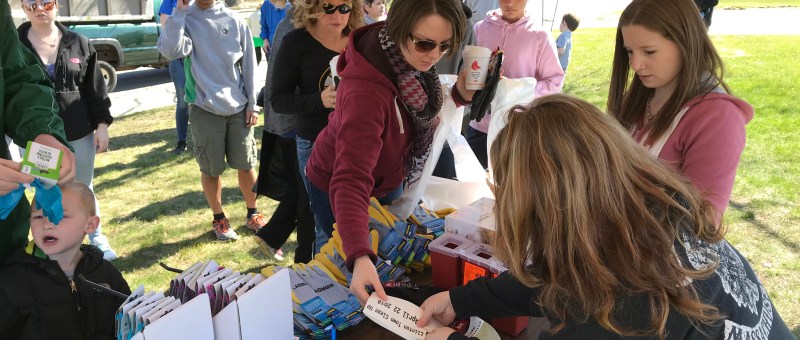
Spring is here and we’re cleaning up Clinton. Join your friends and neighbors this Saturday, May 18, from 9 a.m. to 12 p.m. as we hold a townwide Clean-up Day.

We’ll start on Union Street (behind the Police Station and across from Central Park), then work together to pick up as much litter as we can.

The event is rain or shine. For more information, contact me or email clintonmarcomm@gmail.com

Hope to see you there!

February 20 meeting with Clinton Housing Authority proposed

This past week, a Clinton man was found dead in his apartment on Water Street, part of a public housing complex owned by the Clinton Housing Authority. The district attorney said the man suffered injuries that indicated foul play, and a suspect is in custody.

Since then, I have been contacted by residents concerned about the security and safety of Clinton Housing Authority properties. Other residents have spoken out on social media and in the press, echoing these concerns.

In an effort to clear the air and reassure the residents of Clinton, the Board of Selectmen has invited the Clinton Housing Authority to join us at our meeting on Wednesday, February 20.

As a public servant in the social media age, I know how quickly, and easily, misinformation can spread. I want to give my colleagues on the Housing Authority the chance to get the facts out to the public in an open, televised format. I believe that having a frank conversation about the issues they’re facing will go a long way toward ensuring that our town is a safe place to live, regardless of your address.

I hope the Clinton Housing Authority accepts this invitation and joins us on February 20.

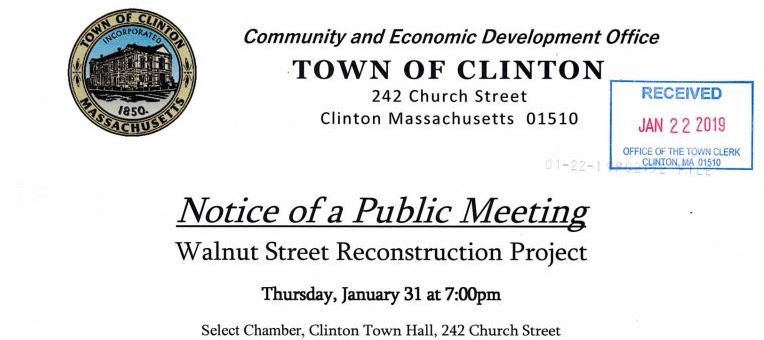
Walnut Street reconstruction project meeting set for January 31

Later this year, the town will be reconstructing Walnut Street between Church and Water street, part of our ongoing effort to keep Clinton’s streets and sidewalks safe and modern.

The project will include the replacement of water lines, as well as on-street parking, new sidewalks, curbing, lighting and landscaping.

On Thursday, January 31, at 7 p.m., Clinton’s Community and Economic Development Office will host an information session in the Select Chamber (second floor) of Town Hall. Residents of Water Street and any other interested citizen are welcome to attend and learn more about this exciting project.

More information is available here:

Downtown wayfinding initiative goes live

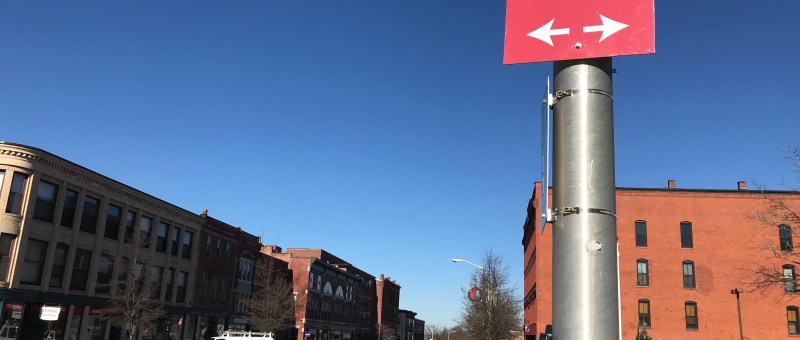
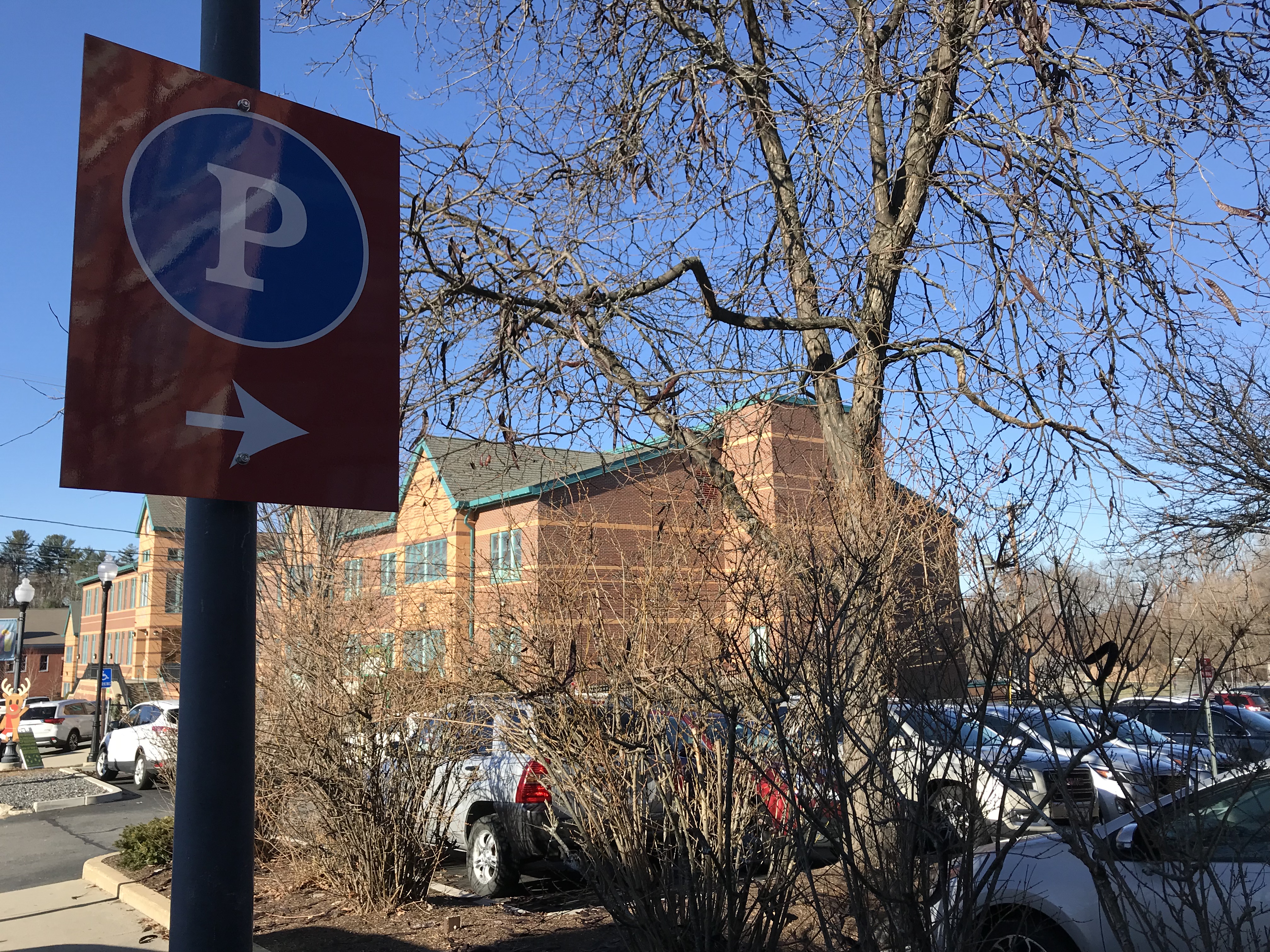
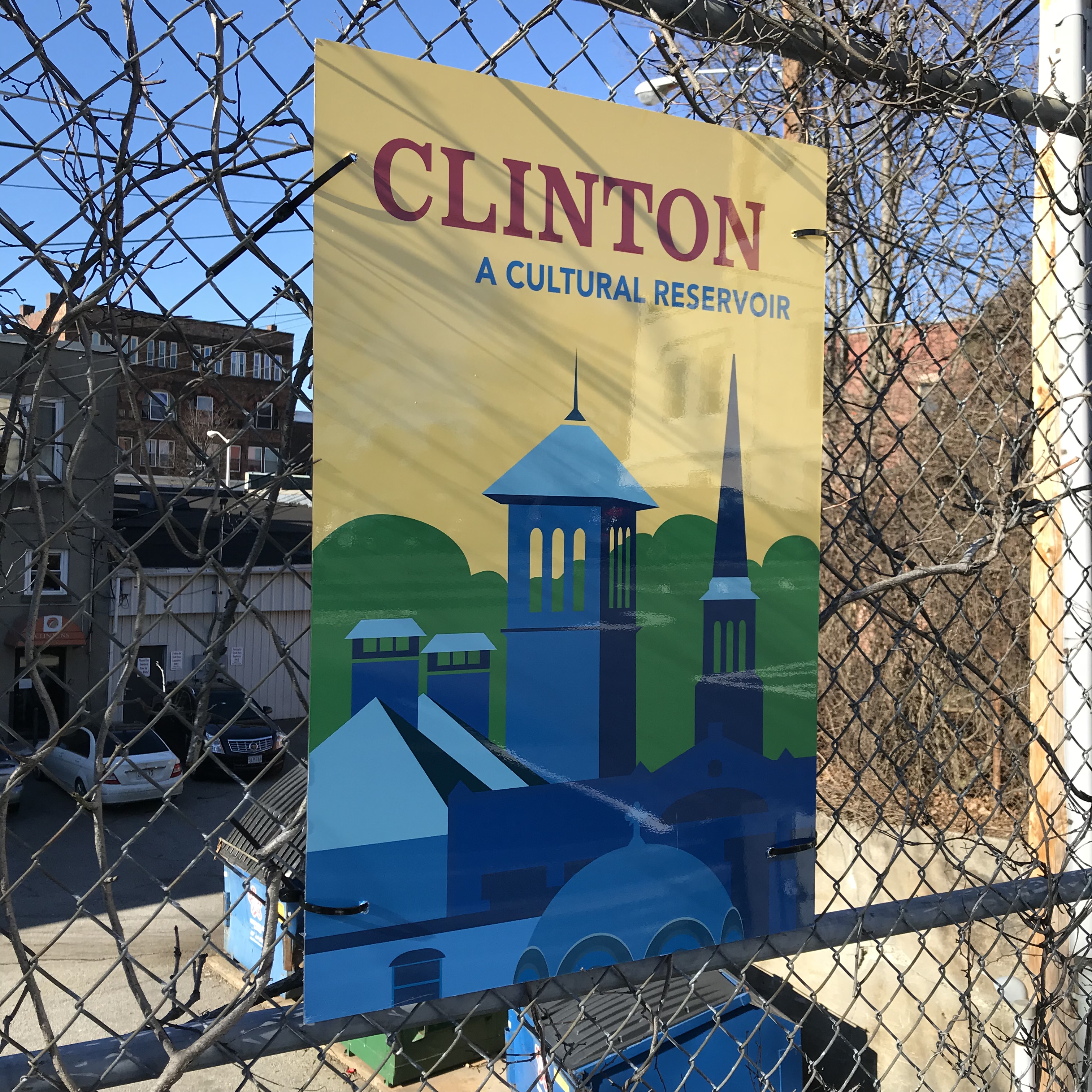
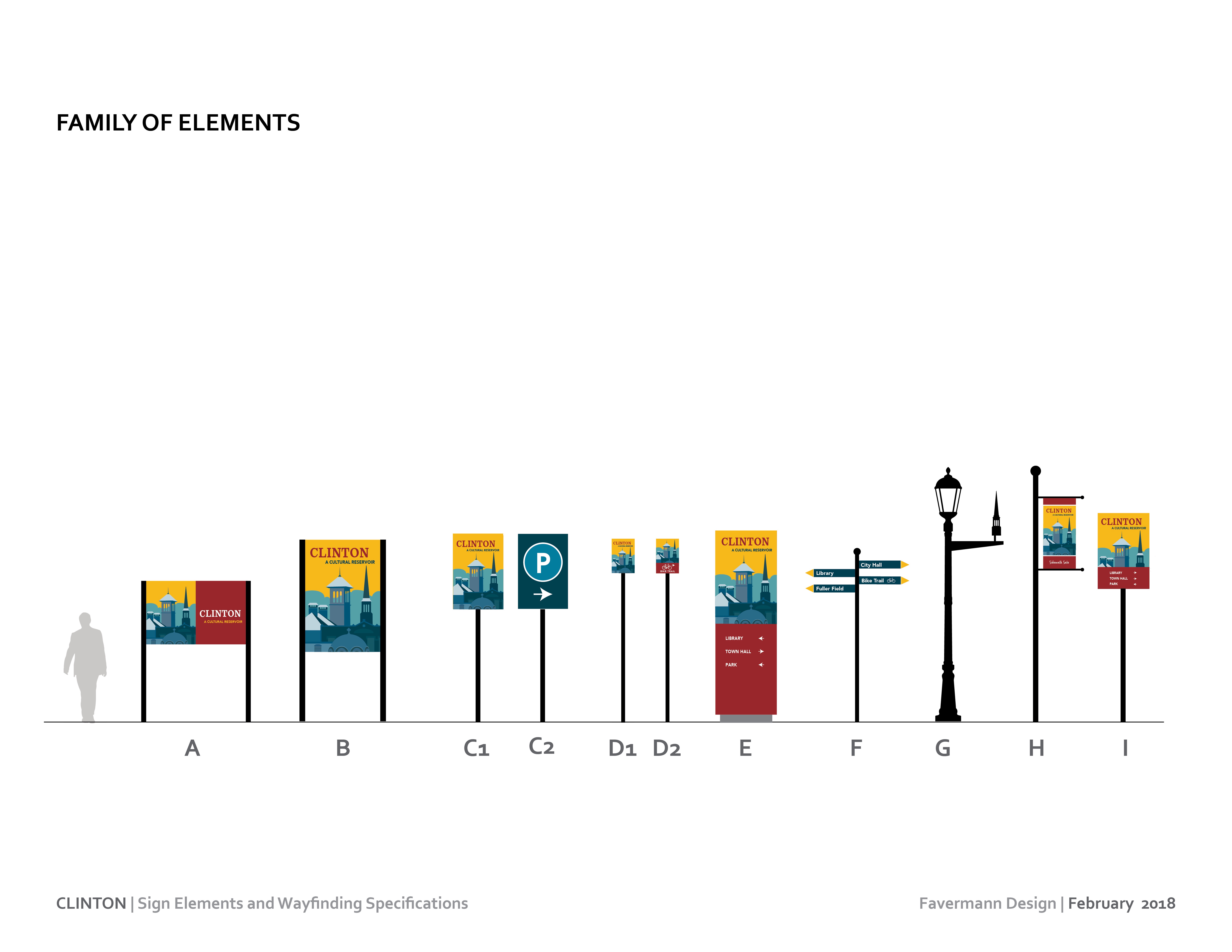
Driving down High Street this weekend, I was thrilled to see a few new additions to the streetscape there: The first wave of our wayfinding signage initiative, designed to help residents and visitors better navigate the downtown business district.

It was great to see the physical signage out and about, after a few months of working through designs with our director of community and economic development, DPW superintendent, my fellow Selectman Marc Iacobucci, and other representatives from Town Hall and the business community. We think the signage is a scalable, incremental way to lead people around the downtown business district at a relatively low cost.

We tend to take High Street for granted in a lot of ways here, but it’s the kind of walkable, modular downtown that other towns would kill for. One problem with it’s location, however, is that someone could drive through Clinton every day on Main Street or Water Street and not know about all the food, shopping and entertainment options that sit just a block or two away. And, once they get here, they might not know where some things are or where there is plenty of free parking. That’s where the wayfinding project comes in.

Through a state grant, Clinton was paired with Favermann Design, the talented people behind countless other Massachusetts municipal branding projects, as well as the Fenway Park Centennial, the 1999 Ryder Cup, the 1996 Atlanta Olympics, and more. Over the course of several months, our group worked through possible design elements, colors and layouts to come up with something we think shows off Clinton in a way that’s different but not totally detached from our roots.

Future phases can expand on what we’ve begun and, along with other streetscape and lighting projects in the works, will go a long way toward showing the world that we take our downtown seriously.

Clinton selectmen are now on YouTube

Happy to report that current Board of Selectmen meetings (at least the recent ones; more should be added soon) can now be viewed on YouTube, part of a joint effort of the board’s Cable and Marketing and Communications subcommittees to give residents who might not have a traditional cable subscription access to our semi-weekly meeting broadcasts.

Check out the past few months of our meetings, and subscribe to the new “Clinton, Mass.” channel here: https://www.youtube.com/channel/UCmQzmLdx5gP_Dms10YCHvkA.

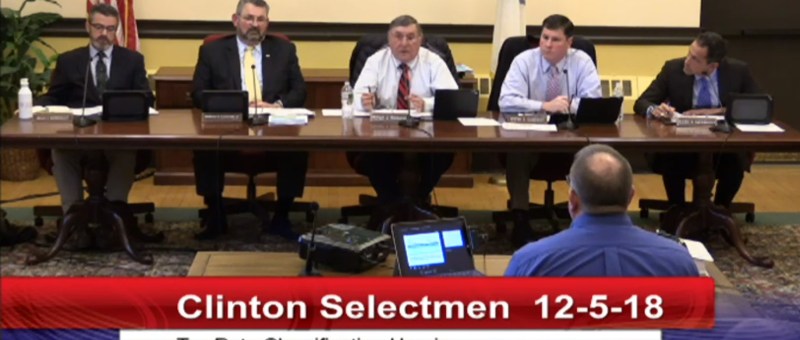
And don’t miss last night’s meeting, where we previewed next week’s Tax Classification Hearing:

Selectmen’s Tax Classification Subcommittee releases recommendations

At tonight’s Clinton Board of Selectmen meeting, the board’s Tax Classification Subcommittee will present its recommendations in advance of next week’s annual Tax Classification hearing and the setting of the Fiscal Year 2019 tax rate. 

The Tax Classification Subcommittee was made up of Selectman Michael Dziokonski, Principal Assessor David Baird, Paul Cherubini, Stephen Philbin, and me. Town Administrator Michael Ward and Community and Economic Development Director Philip Duffy attended some meetings in advisory roles.

The subcommittee met four times, on April 25, May 10, May 30 and October 30, 2018. Our charge was to review the town’s split tax rate and make recommendations, if any, on how to proceed with tax classification moving forward.

The report covers the history of the property tax split (in Massachusetts and in Clinton), an overview of how Clinton sets its property tax rate, the exemptions offered to property owners, a list of comparable towns and their rates, trends, advantages and disadvantages to maintaining the tax rate split, and the subcommittee’s recommendations. They are as follows:

  1. Reduce the town’s tax rate split at the rate of 2 percent a year until a single rate is achieved.​​ Making an all-at-once leap to a single rate of $19.45 would result in a jarring increase of $883 to the average residential taxpayer. Chipping away at the split would spread out that impact to residential property owners over time, and demonstrate that the town is committed to improving the climate for businesses here.
  2. Continue to expand exemption programs as allowed by law.​​ Publicize the availability of these programs, and the senior work program, to increase participation among those potentially affected by a tax increase.

The full report can be downloaded here:

The Board of Selectmen holds its annual Tax Classification Hearing next Wednesday, December 5, at 7 p.m. in the second-floor conference room. I encourage anyone interested in this important process or in sharing their opinion, to come out and have your voice heard. 

Lighting a match under the town’s permitting process

I’m really excited about this Sunday’s (October 7, from 10 a.m. to 2 p.m.) grand opening of the Matchstick Market, a new weekly farmers and artisans collaborative at 55 Sterling Street, just outside Depot Square.

From their press release:

The Matchstick Market is setting out to support the local food producers in the community and increase the accessibility of fresh, local produce and handmade products in the central Massachusetts community. A high-quality selection of local farms, artisans, and makers who prioritize sustainability, environmentalism, and ethics as a part of their business model will make up the weekly vendors. Fresh produce, fresh-cut flowers, herbs, locally made foods and products, ready-to-eat foods, art, live music, community groups, family-friendly activities, workshops, and more are lined up throughout the year. In an effort to remain accessible for all, they’ll be partnering with farms that accept SNAP, WIC, HIP, Senior Coupons, and other government subsidy programs. [ThreeMatchCreations_PressRelease_MatchstickMarket_August2018 ]

As much as I’m excited to see an old mill space brought back to life (see for yourself on their Instagram account) and another promising new business pick Clinton to be its home, I’m even more thrilled about the people who are running Matchstick, and their vision for what it will become. They hope to expand beyond a market to include live music, workshops and other projects and initiatives. They want to create a place that’s good for Clinton.

When the organizers/managers/proprietors spoke at the Board of Selectman’s meeting on Wednesday, they talked more about community and relationships than they did commerce. Because those are the kinds of businesses that really take hold these days: Not the faceless big-box stores or malls, but local, community-based places where people can get together and enjoy themselves.

It’s a common theme today in economic development, and something one of my favorite websites for that field, strongtowns.org, mentions often:

When you cultivate a sense of place, not only will citizens spend their dollars at home, you’ll attract tourists as well. They’ll have a good time. And because you’re giving them something to talk about, they’ll come back—and they’ll generate great word of mouth that makes others want to visit, too. [From “Character Counts: How to Create a Sense of Place in Your Community.”]

The Matchstick journey to grand opening hasn’t been without its bumps, however. Opening a new business is hard for anyone, and they’ve had some challenges figuring out what’s expected of them regarding permitting.

It’s something I see too often: People looking to do something that could benefit the town and its residents getting held up by red tape or a “You should’ve known that” attitude.

I saw it again later on at Wednesday’s meeting, during an earth-removal-permit hearing that got tabled almost before it could begin. The applicant didn’t have the proper documentation, or answers to questions that apparently are in the town’s bylaws regarding earth removal. I’ll be honest: I didn’t know he had to provide those answers and I can understand how he might have left frustrated. Sure, it’s all on the town website. But there’s got to be a better way.

I believe there is. And I’ve talked to business owners and other town officials who agree. That’s why I’d like the board’s Marketing and Communication subcommittee to work with my colleagues on the Planning and Zoning boards, the Board of Health, the building inspector and anyone else who has a say in these things to streamline the permitting process so that small business owners have as much chance at success here as the big guys do.

The future of Clinton rests with the small developers and first-time business owners who are willing to take a chance on us. We need to work harder to attract them and, once they’re here, we need to make it easier for them to settle in and succeed.
A plan for improving downtown parking

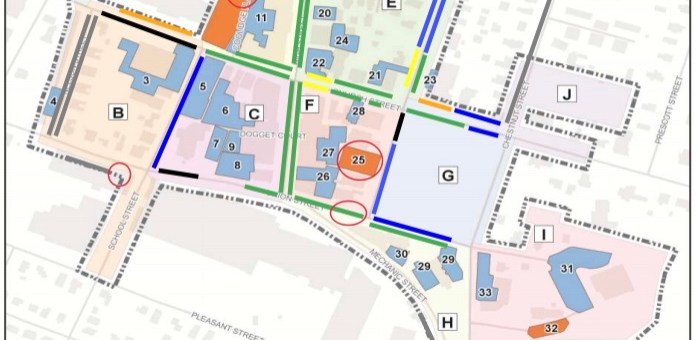
Last night, the Board of Selectmen approved the first phase of a Downtown Parking Management Plan that I think will make High Street and the surrounding downtown district better for local businesses, residents, and visitors from out of town.

What I like best about the plan is its flexibility and simplicity. We’re making incremental changes that can shift depending on the results we see and the input we get from the public. If it works, we’ll continue on that path. If it doesn’t, we can go another way. It’s a low-cost, low-risk way to improve the downtown parking situation for everyone.

Phase 1 of the plan is scheduled to begin August 15, and introduces three straightforward tactics:

  1. Conspicuous Signage: New parking and wayfinding signage will be installed to help people find parking options that are less than obvious and to inform them of any parking limits.
  2. Consistent Enforcement: Clinton Police will monitor downtown and ticket anyone who violates the new parking limits.
  3. Clear communication and dialog with stakeholders: In the next few weeks, business and property owners will be contacted about the plan and asked for their input. In addition, we’ll be holding a public information session in July to hear what others have to say. Bottom line is we want to make sure everyone knows what’s expected, to see how it’s working, and to make whatever changes are necessary to address any reasonable concerns.

The proposed parking zones address both high-turnover areas near retail and dining establishments and the long-term needs of downtown residents and employees. A full list of the zones and proposed time limits is available in the Phase 1 plan linked below.

I encourage everyone to take a look and to let us know what you think. A successful downtown benefits everyone in Clinton, and making parking work will go a long way toward a High Street that serves us all better.

DOWNLOAD THE DOWNTOWN PARKING MANAGEMENT PLAN PHASE 1 HERE: Downtown Parking Management Plan Phase 1 6-20-18

(PLEASE NOTE that the date for the public information session listed in this document, July 15, is incorrect. The correct date Tuesday, July 31, from 5 to 7 p.m. at Town Hall.)

3 ways we can make Town Meeting better

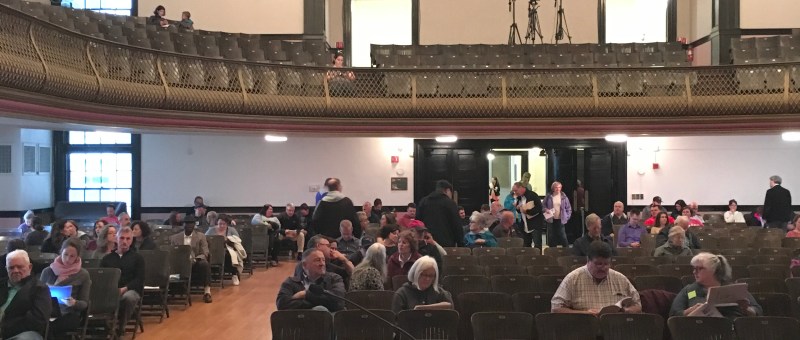
Monday’s Annual Town Meeting in Clinton had trouble making its quorum of 200 voters and, once it did, saw debate bogged down at times by confusion over how municipal budgets are put together and how a few warrant articles would affect the town. It was my first Town Meeting as a selectman, so I got to look at things a little differently. The good thing is that now, instead of complaining, I’m in a position to try and change things.

Here are three things I’d like to see us try in an effort to make Town Meeting better.

1. Publicize it like an event, not an obligation. Town Meeting has been the first Monday in June in recent years, but obviously not everyone knows that. We need to publicize Town Meeting better and educate people why it’s important that they go. With a mix of new technology (the soon-to-be-relaunched town website and email/text/voicemail blasts similar to what the School Department currently uses) and old get-out-the-vote methods (signage, posters and the like), we should make sure everyone who’s interested in town government knows when Town Meeting is and what’s at stake.

2. Modernize our budget presentation. Just because people show up at Town Meeting, however, it doesn’t mean they’re experts in what we’re doing there. The town is making progress in explaining how our annual budget is put together and where your tax dollars go (and I applaud the Finance Committee for holding a public hearing this year to answer questions, however sparsely attended it was), but the budget itself is dense and indecipherable to most residents.

This past January, I attended a workshop at the Massachusetts Municipal Association’s annual meeting about budget best practices, and I’d like to see us move toward the guidelines provided by the Government Finance Officers Association — a sort of Good Housekeeping Seal of Approval for municipal budgets. Northborough’s town administrator was one of the presenters at the workshop. That town’s budget is a real pleasure to read, with an outline of how the town comes up with the budget each year, details of the town’s fiscal policies (including how they handle free cash), and a narrative of what money is being spent on, and why. (Check it out: MMA Northborough proposed budget workshop 2018.)

The GFOA Distinguished Budget Award focuses on information, transparency and accountability. It’s a high standard, but one our taxpayers deserve. (Download a copy of the MMA Budget Best Practices workshop, including those GFOA guidelines, here: MMA GFOA Budgeting Best Practices Workshop 2018.)

3. Stand up for every article. If we’re going to do a better job explaining what people are voting on at Town Meeting, we shouldn’t stop at the budget. I’d like to see every article beyond routine annual items introduced by whatever board or entity sponsored it. If the Finance Committee wants to take advantage of our local meals tax option, they should be able to explain why, and take any questions. Same thing if the Planning Board wants a yearlong moratorium on multi-unit housing development. As selectman, I’m happy to defend an article I believe in, but that doesn’t mean I’m an expert on everything on the warrant. If we think an issue enough to put it to voters, someone should be able to explain it clearly.

These are just three ways I think we can make Town Meeting an improved experience that will better attract and inform voters. What do you think? Leave your ideas below and let’s make Town Meeting better together.